Latest guide
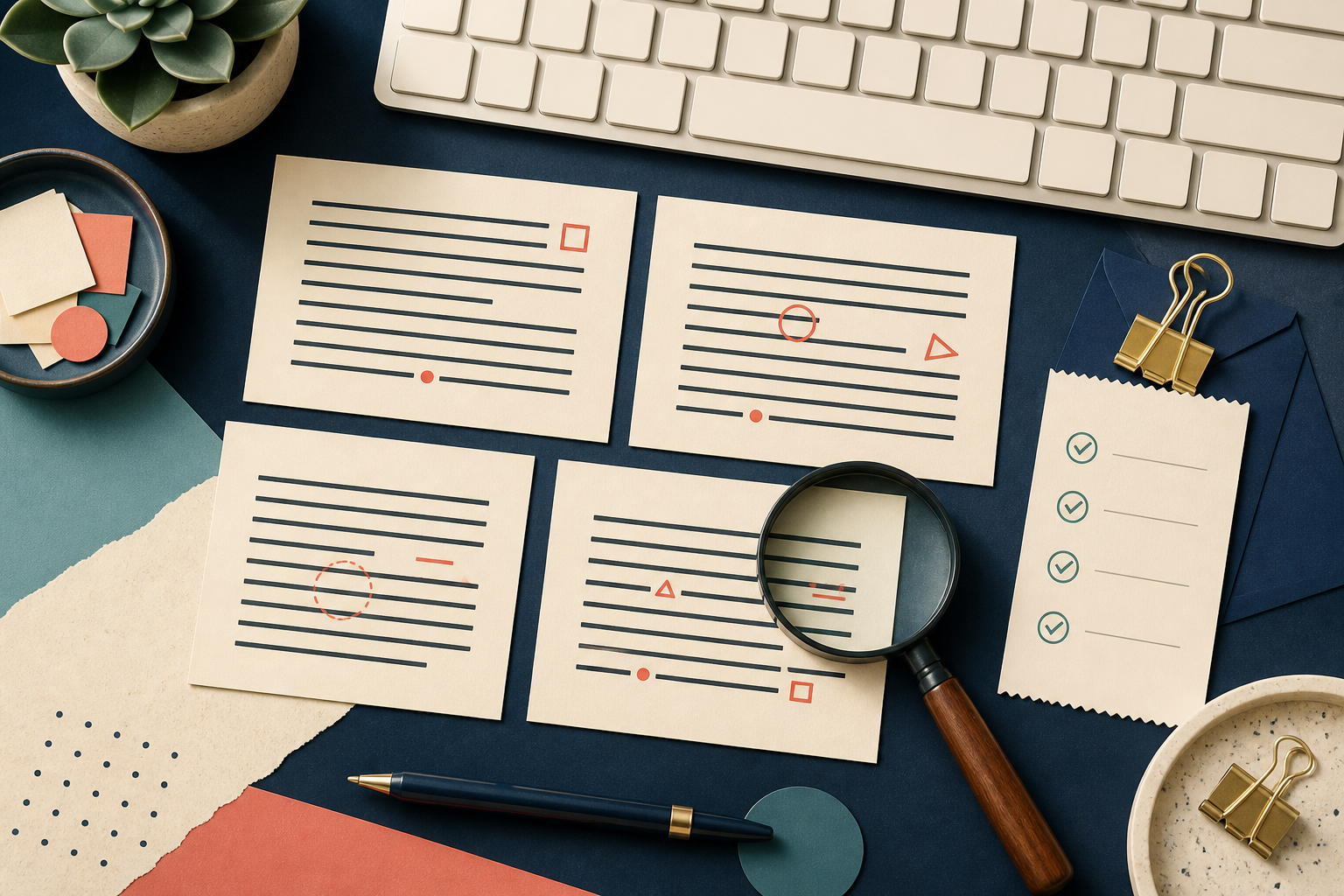
Typo Typing Test: Find and Verify Four Hidden Errors
Take a typo typing test with four seeded error cards, an answer key, and a correction receipt to check spelling, meaning, dates, and damage caused by edits.

The TypeTest.io blog
Practical notes on typing speed, accuracy, keyboards, and building a setup that feels good to use every day.

Latest guide
Take a typo typing test with four seeded error cards, an answer key, and a correction receipt to check spelling, meaning, dates, and damage caused by edits.
From the notebook
Use a typing zen routine to reduce screen noise, steady attention, and make WPM practice more repeatable without turning typing into meditation theater.
Read articleUse a typing test 80 WPM routine to prove the score is repeatable, accurate, and useful before treating it as a real benchmark.
Read articleRun a minimalist typing test that removes screen clutter, controls distraction, and shows whether focus changes WPM, accuracy, and correction cost.
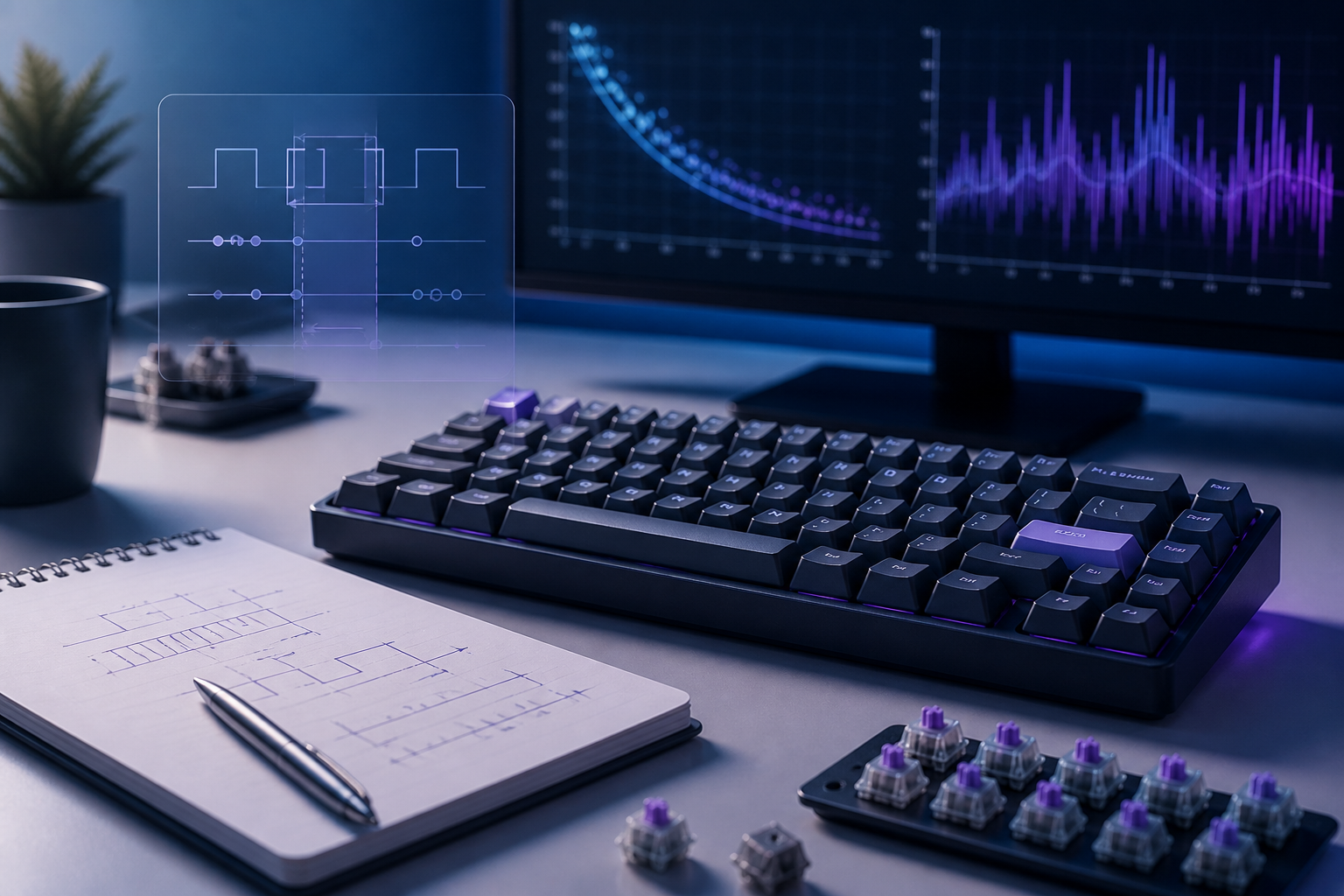
Read articleFind the best debounce time for keyboard typing by testing chatter, missed keys, WPM, and correction cost with a repeatable timing ladder.
Read articleRun a keyboard speed test that separates typing skill from keyboard setup, then use the score gap to decide what to fix first.
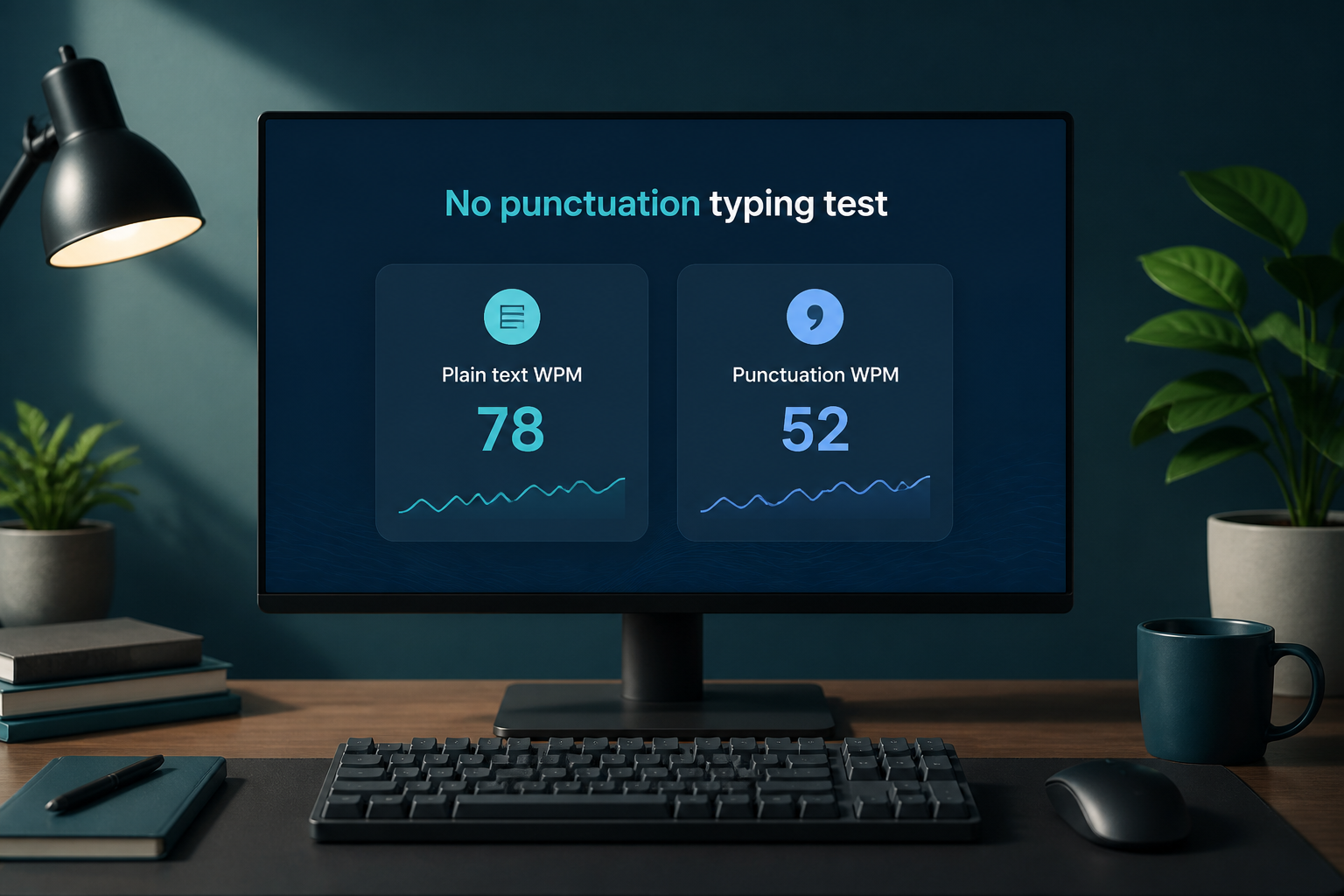
Read articleRun a no punctuation typing test to measure clean letter speed, compare it with punctuation-heavy text, and build a fair practice plan.
Read articleFind the best debounce time for keyboard typing tests with a practical latency, chatter, and accuracy calibration routine.
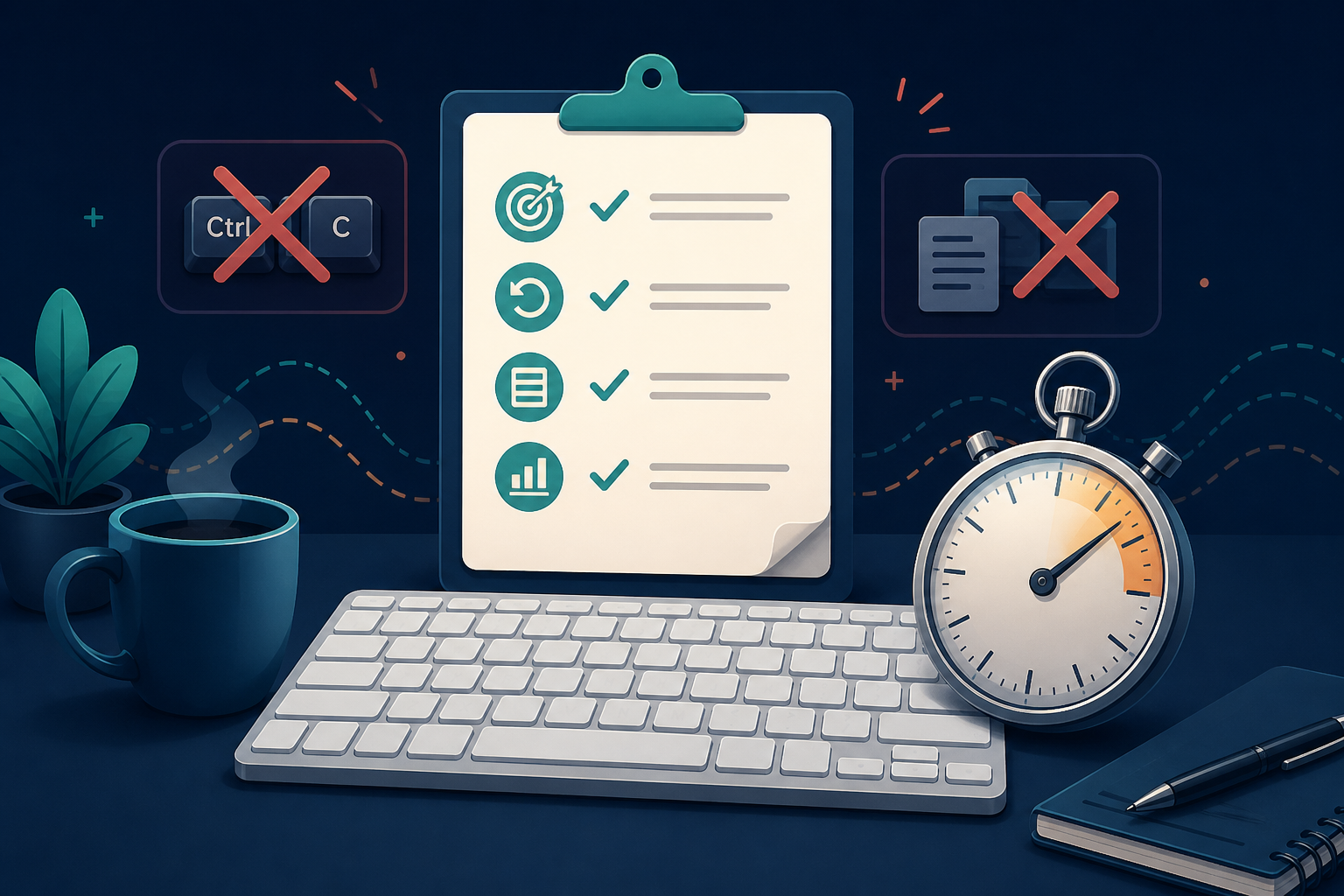
Read articleUse this typing test hacks checklist to spot shortcuts, inflated WPM, and unfair setup changes before you trust a typing score.
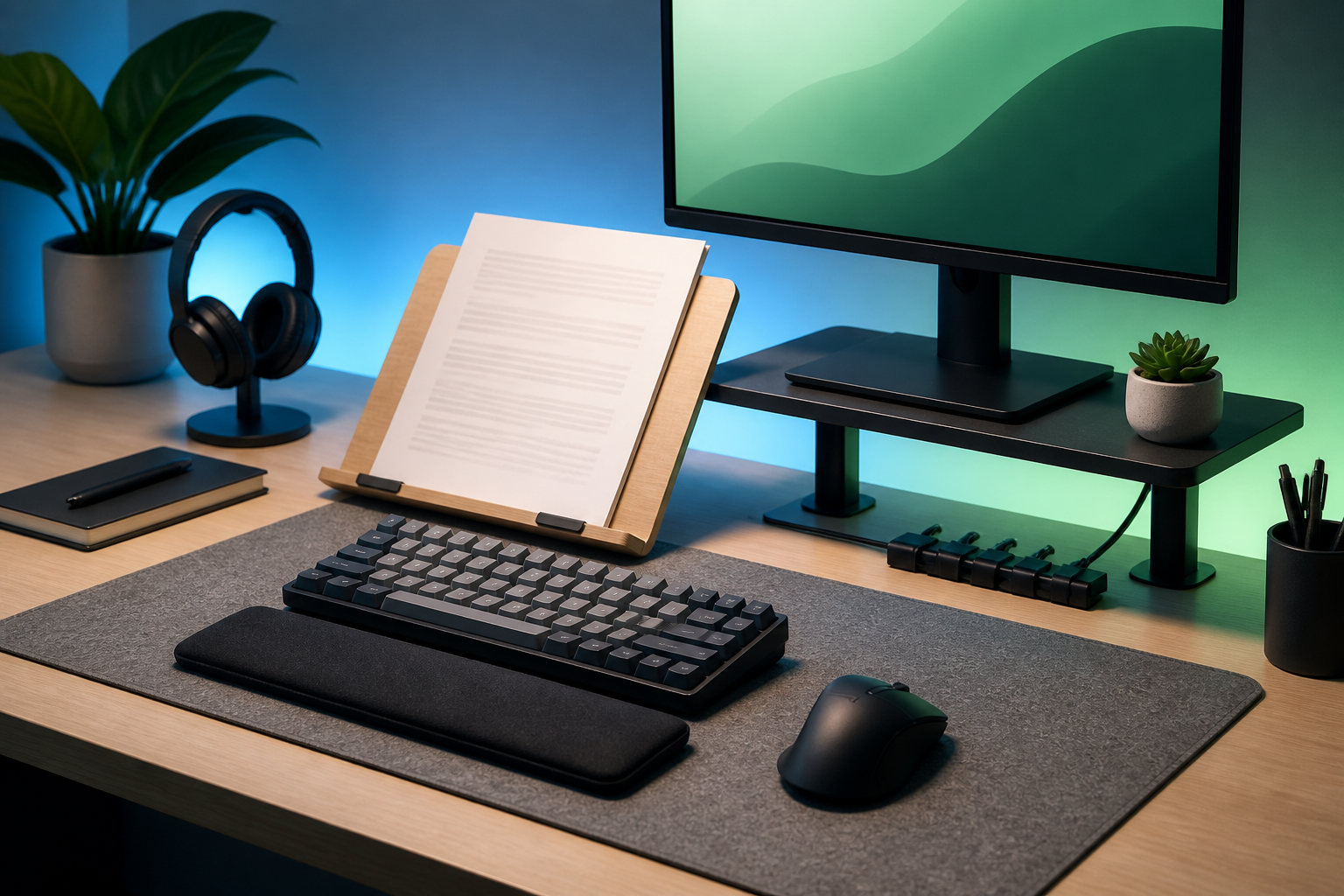
Read articleChoose keyboard accessories for typing with a practical setup checklist that improves comfort, repeatability, and cleaner WPM practice.
Read articleRun a long word typing test that uses names like Chargoggagoggmanchauggagoggchaubunagungamaugg to measure accuracy, pacing, and recovery fairly.
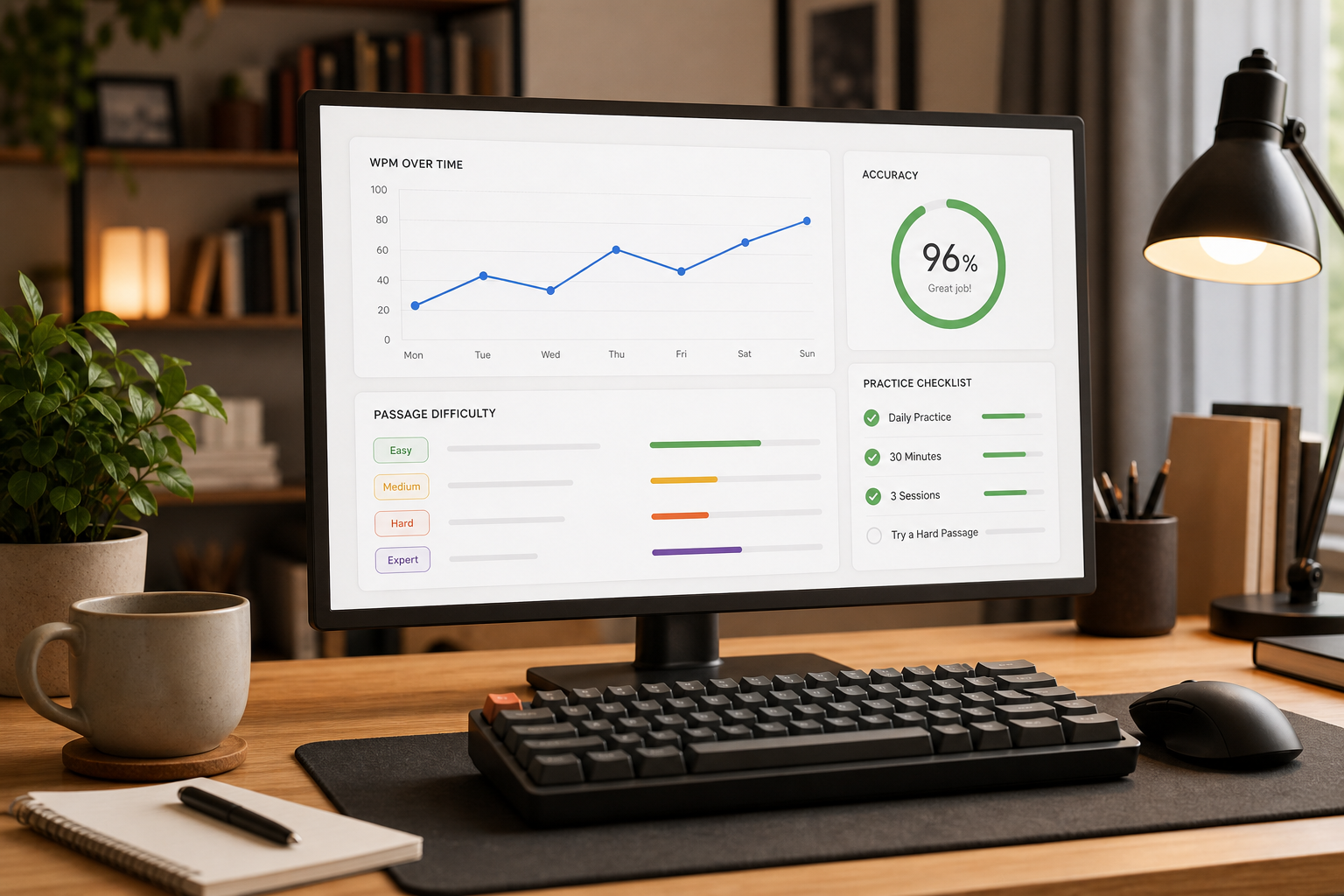
Read articleUse a WPM tracker to log typing speed, accuracy, passage difficulty, and practice changes so weekly progress becomes easier to measure.
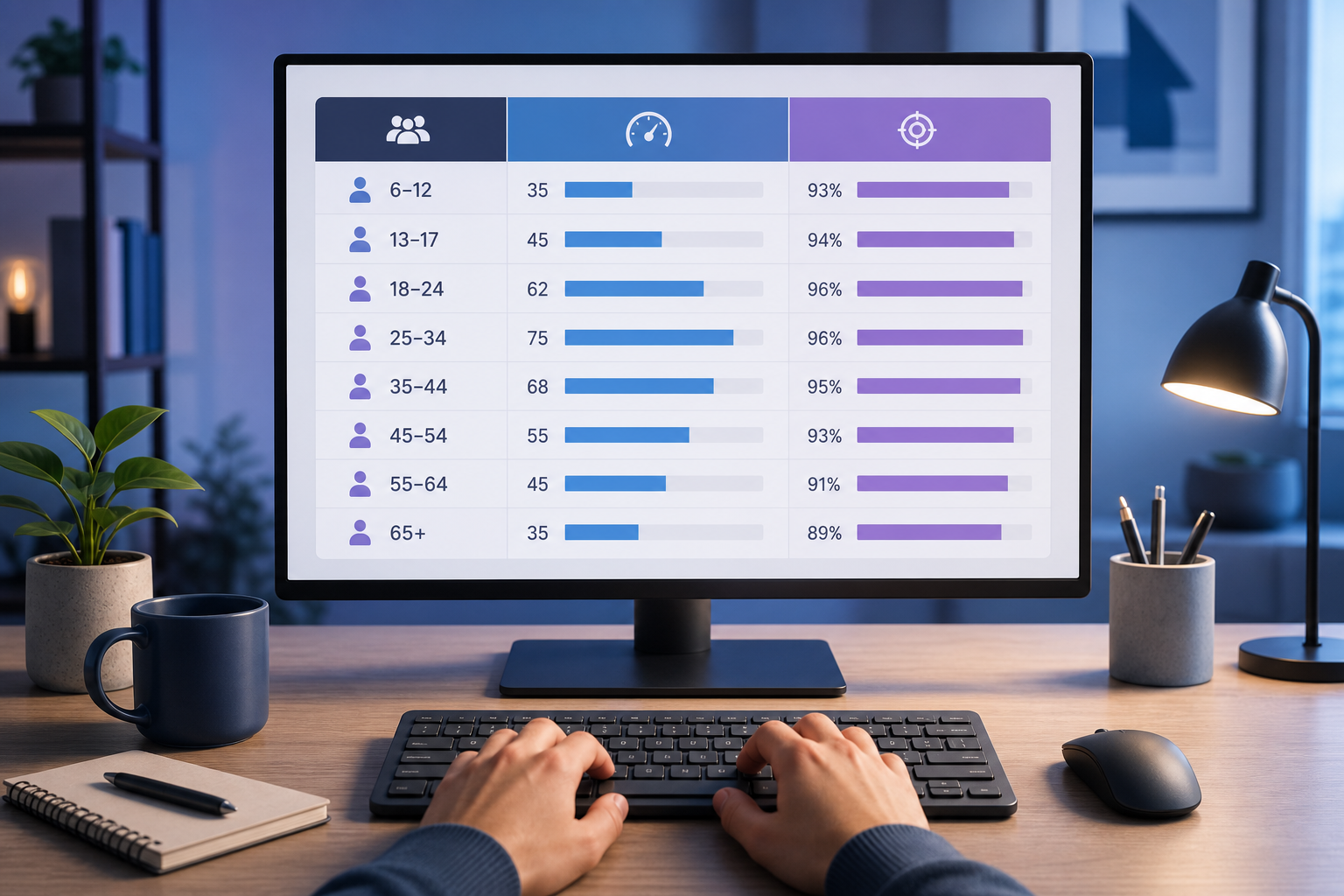
Read articleUse average typing speed by age as context, then compare your WPM with accuracy, device type, and task difficulty instead of chasing a loose benchmark.
Read article